
Advanced Imaging Services: PET/CT, CT, and SPECT/CT
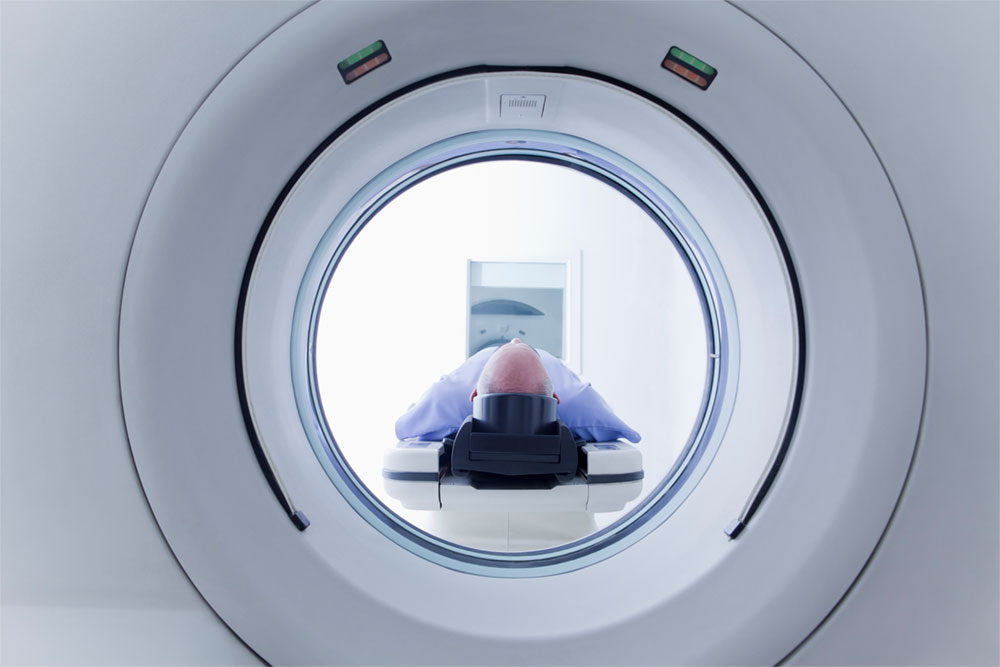

PET/CT (Positron Emission Tomography/Computed Tomography)
PET/CT combines two powerful imaging techniques in a single scan. PET reveals how tissues and organs are functioning at the molecular level, while CT provides detailed anatomical images. This combination helps us:
- Detect cancer early and accurately
- Pinpoint the exact location and extent of disease
- Monitor how well treatments are working
PET/CT is especially helpful for complex cancers like metastatic prostate cancer, neuroendocrine cancer, and thyroid cancer.
CT (Computed Tomography)

CT uses X-rays and advanced computer technology to create highly detailed cross-sectional images of the body. These scans allow physicians to examine internal organs, bones, soft tissues, and blood vessels with exceptional clarity.
CT scans are:
- Fast, non-invasive, and painless
- Excellent for visualizing tumors, lymph nodes, and internal organs
- Helpful for detecting the size, shape, and location of abnormalities
- Frequently used to guide biopsies and minimally invasive procedures
- Valuable for monitoring how cancers respond to treatment over time
CT imaging plays a critical role in cancer diagnosis, staging, treatment planning, and ongoing disease management. At United Theranostics, CT is often used alongside advanced molecular imaging technologies to provide a more complete picture of a patient’s condition and support personalized care decisions.
SPECT/CT (Single Photon Emission Computed Tomography/Computed Tomography)

SPECT/CT combines functional imaging from SPECT with the detailed anatomical imaging of CT in a single scan. By merging these technologies, physicians can better understand both how tissues are functioning and where abnormalities are located within the body.
This advanced hybrid imaging allows us to:
- Visualize blood flow, metabolic activity, and cellular function
- Detect abnormalities that may not appear on conventional imaging alone
- Improve localization of tumors and areas of disease activity
- Support more precise treatment planning and therapy monitoring
- Evaluate how targeted radiopharmaceutical therapies are working over time
SPECT/CT plays an important role in nuclear medicine and theranostics, particularly for patients receiving targeted cancer therapies. By combining functional and anatomical information, SPECT/CT helps physicians make more informed decisions and deliver highly personalized care.
Frequently Asked Questions (FAQ)
What is the difference between PET/CT, CT, and SPECT/CT?
Are these imaging procedures safe?
How should I prepare for my scan?
Will I feel anything during the scan?
How long does the scan take?
When will I get my results?
Do you accept insurance?
Why Choose United Theranostics?

Our expert team uses these advanced imaging tools to ensure every patient receives an accurate diagnosis and a personalized treatment plan. We are dedicated to compassionate care, clear communication, and the highest standards in cancer imaging.
Ready to schedule your imaging appointment?
Call us at (800) 898-2650 or visit one of our locations in New York, New Jersey, Pennsylvania, Maryland, or New Mexico.

Mailing Address:
United Theranostics
125 W South Street
Unit 3262
Indianapolis, IN 46206
Maryland
Crain Health Park
331 Oak Manor Drive
Suite 201
Glen Burnie, MD 21061
5454 Wisconsin Avenue
Suite 1600
Bethesda, MD 20815
New Jersey
Forrestal Medical Building
8 Forrestal Road South
Suite 201
Princeton, NJ 08540
New Mexico
4391 E Lohman Ave.
Suite A
Las Cruces, NM 88011