
Post-Treatment qSPECT/CT Dosimetry in Radiopharmaceutical Therapy
Enhancing Precision and Safety in Cancer Care
At United Theranostics, our commitment to personalized, effective cancer treatment extends beyond therapy administration. Post-treatment quantitative SPECT/CT (qSPECT/CT) dosimetry is an advanced imaging and analytics process that measures the actual radiation dose delivered to tumors and healthy tissues after radiopharmaceutical therapy. This approach ensures precise, individualized care for every patient.
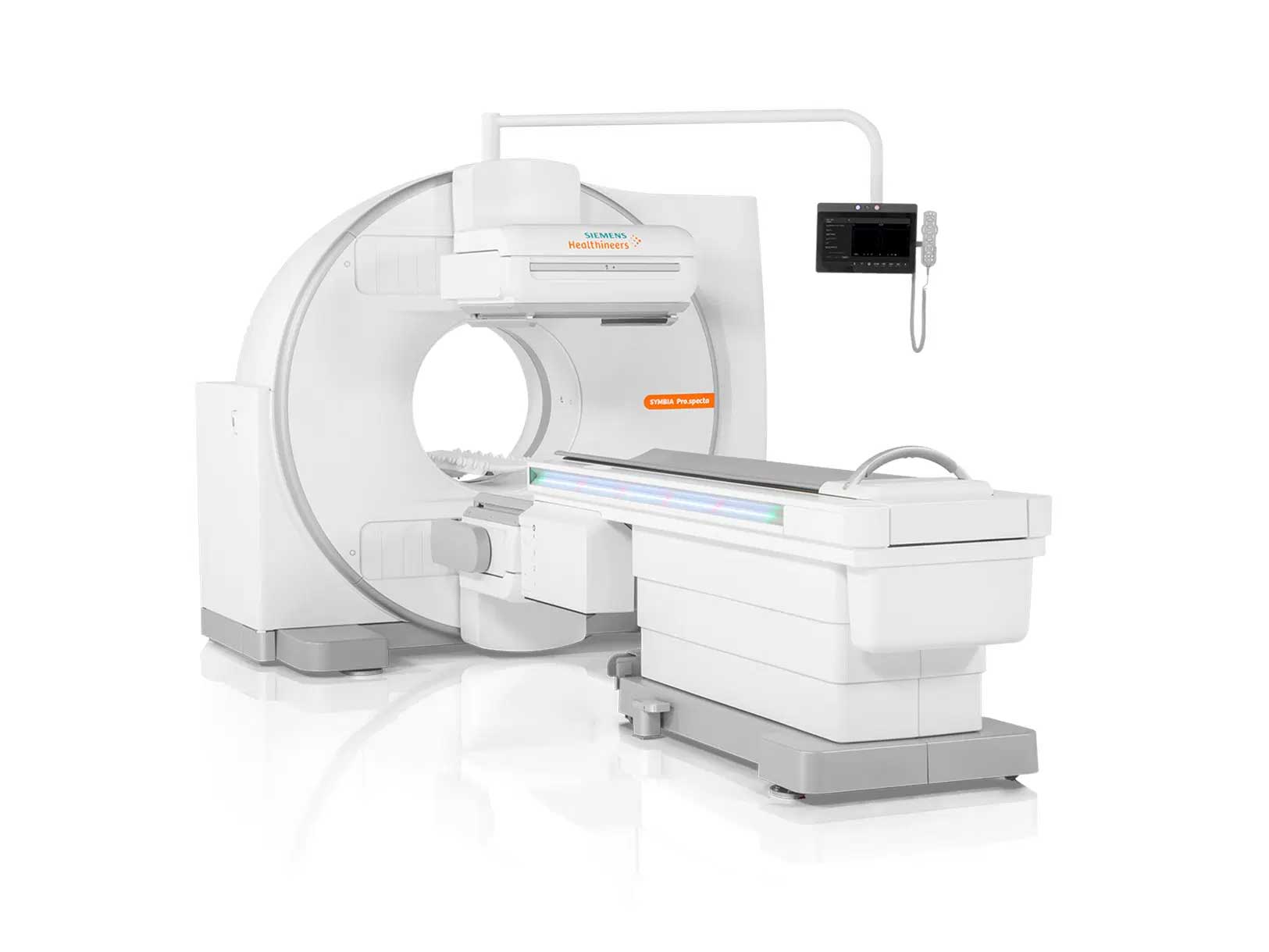

What is qSPECT/CT Dosimetry?
Quantitative SPECT/CT (qSPECT/CT): A hybrid imaging technique that combines functional (SPECT) and anatomical (CT) scans to provide three-dimensional, quantitative maps of radiopharmaceutical distribution within the body.
Dosimetry: The calculation and assessment of the radiation dose absorbed by tissues, enabling clinicians to tailor future treatments and optimize safety and effectiveness.
Why is Post-Treatment Dosimetry Important?

Personalized Assessment: Measures the actual dose received by tumors and critical organs, rather than relying solely on standardized dosing.
Optimized Outcomes: Helps guide adjustments to future therapy cycles, maximizing tumor control while minimizing side effects.
Safety Monitoring: Identifies patients at risk of higher-than-expected exposure to sensitive tissues (e.g., kidneys, bone marrow).
Treatment Validation: Confirms that the radiopharmaceutical has effectively targeted the intended cancer sites.
How the Process Works

Radiopharmaceutical Therapy: Patient receives a targeted radiopharmaceutical treatment (e.g., Lutetium-177, Iodine-131, Radium-223).
qSPECT/CT Imaging: After therapy, a qSPECT/CT scan is performed to visualize and measure the distribution of the radiopharmaceutical.
Dosimetric Analysis: Advanced software calculates the absorbed radiation dose in tumors and normal tissues.
Clinical Review: Results are reviewed by the clinical team to inform future treatment planning and patient counseling.
Who Benefits from Post-Treatment Dosimetry?
Individuals requiring personalized treatment adaptation based on their unique response to therapy.
Frequently Asked Questions (FAQ)
What is the purpose of post-treatment qSPECT/CT dosimetry?
How is the qSPECT/CT scan performed?
Is the scan safe?
Will I feel any discomfort during the scan?
How are the results used?
Does every patient need post-treatment dosimetry?
Will my insurance cover this procedure?
Where is post-treatment dosimetry available?
United Theranostics: Committed to Precision Oncology

Expertise: Advanced molecular imaging and dosimetry for personalized cancer care.
Comprehensive Support: Guidance through every phase of treatment, from therapy selection to follow-up.
Regional Access: Multiple facilities for convenient, state-of-the-art care.
Take the Next Step
To learn more about post-treatment qSPECT/CT dosimetry and how it can enhance your cancer care, contact United Theranostics for a personalized consultation.
Appointments & Consultations: